Your Comprehensive Guide to the Ultimate Yogurt Maker
Preparing homemade yogurt can be a uncomplicated process with the proper guidance. Understanding how to use a yogurt maker effectively is crucial. From picking quality ingredients to troubleshooting common issues, each step plays a important role in the outcome. As one explores the complexities of yogurt making, it becomes evident that small adjustments can lead to considerably different results. The journey toward perfect yogurt is just commencing.
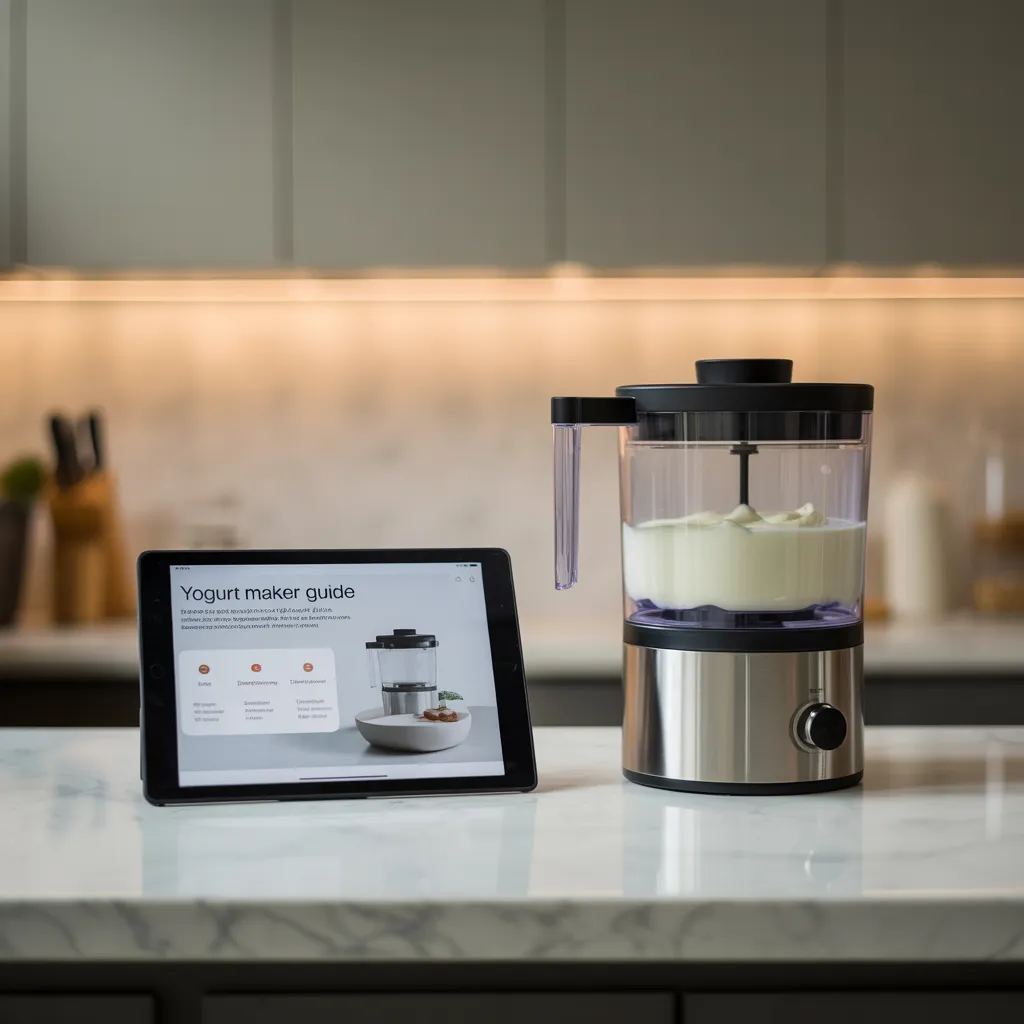
Using a yogurt maker can be a straightforward process that produces delicious homemade yogurt. To begin, the user should verify that the device is clean and assembled correctly. Next, they should prepare the milk, which might require heating it to a specific temperature to remove any unwanted bacteria. After reducing the milk to an suitable temperature, the user can incorporate the yogurt starter culture, verifying it is evenly distributed.
When blended, the mixture is transferred to the yogurt maker's containers and placed inside the machine. The user then adjusts the desired fermentation time, typically varying from four to twelve hours, according to personal taste preferences. During this period, the yogurt maker maintains a consistent temperature that encourages fermentation. After the time has passed, the user extracts the containers, chills the yogurt to terminate the fermentation process, and enjoys the just-made, creamy result of their efforts.
Selecting Ingredients for Your Yogurt Maker
When choosing ingredients for a yogurt maker, it is important to consider both the type of milk and the yogurt starter culture, as these choices considerably impact the final product. Milk options range from whole to skim, each providing different creaminess and flavor profiles. Whole milk results in a rich, creamy yogurt, while skim milk results in a lighter version. Moreover, non-dairy alternatives like almond or coconut milk can also be utilized, though they may require specific starter cultures developed for non-dairy fermentation.
The yogurt starter culture is equally important. Options include store-bought yogurt containing live active cultures or powdered starter cultures available in health food stores. Choosing a premium starter culture ensures optimal fermentation and flavor enhancement. In the end, comprehending these essential ingredients enables yogurt makers to customize their products according to their tastes, producing a tasty and fulfilling homemade yogurt outcome.
Adding Flavor to Your Yogurt
What's the secret to transforming homemade yogurt from simple to spectacular? Flavoring yogurt offers endless possibilities for creativity and enjoyment. A proven approach includes blending in fresh fruits, like berries, bananas, or peaches, which both improve taste and contribute natural sugars along with brilliant hues. Another choice involves stirring in pureed fruits or preserves to create a silkier texture.
Vanilla, cinnamon, or nutmeg and similar spices and extracts have the ability to convert yogurt into a wonderful delicacy. Those looking for a zesty kick will find that citrus juice or zest can enliven the flavor profile. Options such as honey, maple syrup, or agave nectar add further complexity to the flavor while counterbalancing tanginess.
For bold food lovers, try incorporating nuts, seeds, or granola for crunchiness and texture. Eventually, the variety of flavoring choices allows individuals to tailor their yogurt, creating each portion a one-of-a-kind food experience suited to their personal tastes.
Which Common Errors Should You Prevent When Making Yogurt?
Making yogurt at home can be a satisfying endeavor, but certain pitfalls can compromise the results. see the full story One frequent problem is using the incorrect type of milk; non-fat or ultra-pasteurized milk can produce undesirable textures and flavors. In addition, incorrect temperatures during the culturing process can keep the yogurt from achieving proper consistency, with temperatures that are too low resulting in liquid yogurt.
Another mistake is not providing adequate time for fermentation; rushing this step can result in less favorable results. Contamination from unclean equipment can also spoil a batch, as undesirable bacteria can impede the fermentation process. Furthermore, not maintaining a consistent environment can interfere with the yogurt-making process.
Solving Common Challenges in Homemade Cultured Yogurt
While homemade yogurt can occasionally create challenges, several common problems have straightforward solutions that can return its quality. One common issue is runny consistency, which can happen due to insufficient fermentation time or poor-quality starter culture. To fix this, one can increase the fermentation duration or switch to a more reliable starter.
A common problem is separation, where whey builds up on the surface. This can be fixed by carefully mixing the yogurt before serving, or by ensuring proper temperature control during culturing.
Should yogurt fail to set, it might result from inadequate bacteria or incorrect temperatures. Prolonging the incubation duration or adjusting the yogurt maker settings can help achieve the desired texture.
Lastly, unwanted tastes can develop from contaminated equipment or ingredients. Carefully cleaning all tools and using fresh milk can prevent this problem, ensuring a tasty final product.
FAQ
May I Use Non-Dairy Milk in My Yogurt Maker?
Indeed, non-dairy milk can be used in yogurt makers. However, the fermentation process may differ as a result of differing sugar and protein content. Using suitable cultures specifically made for non-dairy alternatives is crucial for successful results.
How Long Does Homemade Yogurt Last in the Fridge?
Homemade yogurt typically lasts about one to three weeks in the fridge when preserved properly in an airtight container. Its freshness and flavor may progressively decrease, so finishing it within a week is often recommended for best taste.
Can You Safely Reuse Yogurt Starter Cultures?
Yes, it is generally safe to reuse yogurt starter cultures. That said, their effectiveness can decline with repeated use, and monitoring for off-flavors or spoilage signs in later batches is essential.
Can You Make Yogurt Without Using a Yogurt Maker?
Yes, yogurt can be made without a yogurt maker. Individuals often use alternatives like a lit oven, a crockpot, or insulated vessels to keep the essential warm temperature for culturing.
What Amount of Yogurt Can I Make in a Single Batch?
How much yogurt can be made at once usually ranges from one quart to two gallons, depending on the specific yogurt maker's capacity. This provides flexibility depending on personal consumption needs or preferences.