Probiotics and Anxiety: Exploring the Gut-Brain Relationship
The gut-brain connection reveals a complex interplay between gut health and mental well-being. Current research shows that the gut microbiome significantly impacts psychological balance and anxiety. Probiotics, known for their role in gut health, may present a pathway to enhanced emotional well-being. Understanding how these microorganisms impact emotional regulation could deliver valuable insights into managing anxiety. What specific mechanisms link intestinal health to anxiety relief? The answer may be unexpected.
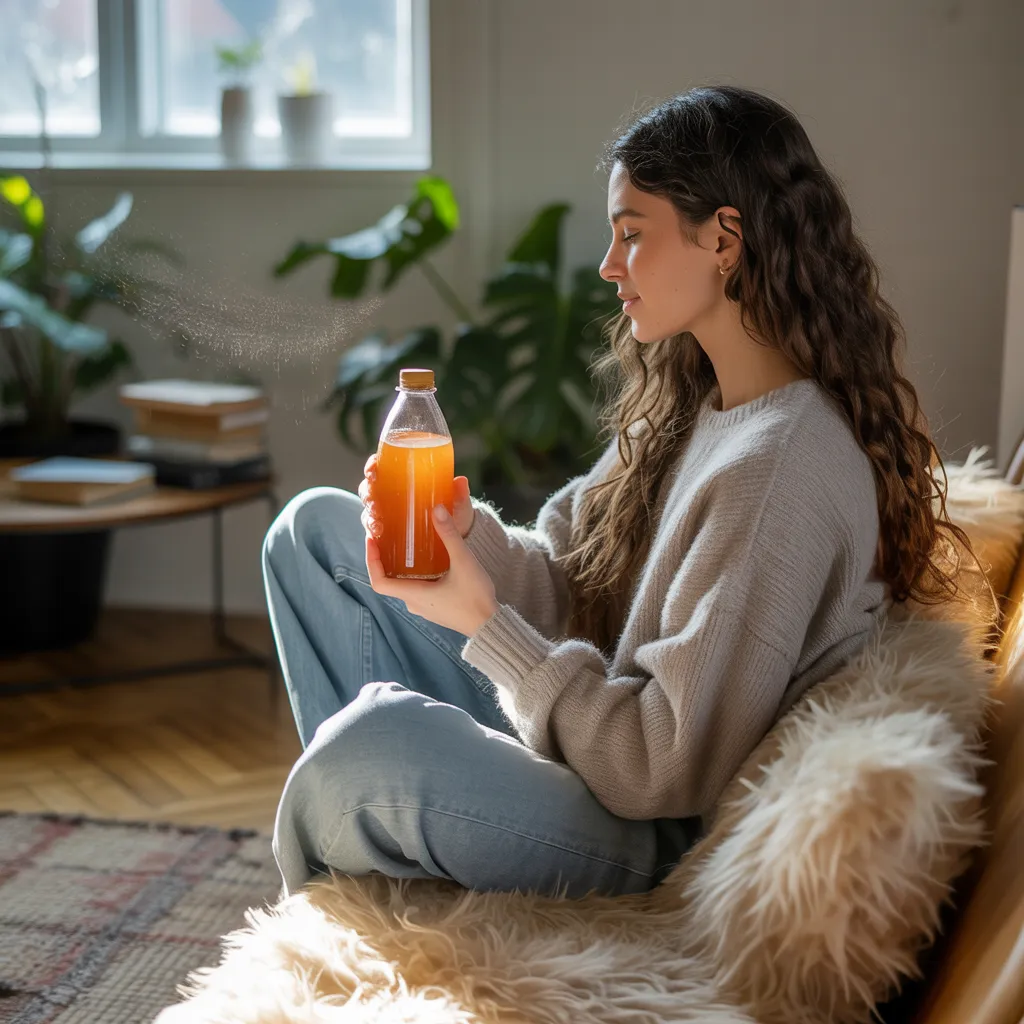
What's the Gut-Brain Connection All About?
What connects the gut and the brain? The gut-brain connection is a sophisticated communication network encompassing the central nervous system, the enteric nervous system, and the gut microbiota. This intricate relationship enables the brain to influence gut function and vice versa. Signals pass through pathways such as the vagus nerve, which is a primary conduit between the two systems.
Furthermore, neurotransmitters produced in the gut, including serotonin, serve a crucial function in emotional control and total mental health. The gut microbiome, comprised of trillions of bacteria, influences this connection by producing metabolites that can affect brain function. Modifications to gut flora can bring about modified mood and cognitive functions, demonstrating the vital role of gut health. By means of these various channels, the gut and brain continuously interact, forming a dynamic relationship that affects both physical and psychological health.
The Impact of Gut Health on Mental Well-Being
The relationship between gut health and mental well-being is more and more recognized as an essential component of overall health. Research suggests that the gut microbiome, the community of microorganisms living in the digestive tract, plays a considerable role in regulating mood and emotional responses. A balanced gut microbiome can generate neurotransmitters, such as serotonin, which are essential for mood stability. On the other hand, an imbalance in gut flora may cause increased inflammation and the production of stress hormones, leading to anxiety and depression.
Moreover, the gut-brain axis, a communication network between the gastrointestinal system and the brain, suggests that gut health affects cognitive functions and emotional regulation. Individuals with gastrointestinal disorders often experience higher rates of anxiety and depression, emphasizing the need of maintaining gut health for mental wellness. Therefore, a holistic approach to health should consider the critical relationship between the gut and mental state.
Why Probiotics Matter for Mental Well-Being
Even though lots of people associate probiotics primarily with digestive wellness, their influence on mental well-being is receiving considerable attention. Research indicates that the gut microbiome has a crucial role in affecting mood and emotional health. Probiotics, which are beneficial bacteria, can support balancing gut microbiota, potentially bringing about improvements in mental states such as anxiety and depression.
The gut-brain axis acts as a communication pathway between the intestines and the brain, indicating that gut health directly affects psychological health. Probiotics may promote the production of neurotransmitters like serotonin, which is essential for mood regulation. Furthermore, they can control inflammation and stress responses, both of which are associated with mental health disorders.
As studies continue to explore these connections, the critical nature of incorporating probiotics into everyday habits becomes ever more obvious for those seeking to enhance their comprehensive mental well-being.
How Might Probiotics Help Reduce Symptoms of Anxiety?
Scientific evidence suggests that the gut microbiome plays a significant role in regulating emotional well-being and mood. Probiotics may enhance the production of essential brain chemicals, such as serotonin, which are vital for reducing anxiety symptoms. Understanding this connection can give perspective on how dietary interventions could promote mental well-being.
Gut Microbiome and Mood
Research evidence demonstrates a substantial link between the gut microbiome and mood regulation, showing how modifications in gut health can affect anxiety levels. The gut microbiome, made up of trillions of microorganisms, plays an critical role in the creation of metabolites that modify brain function. An imbalance in these microbial communities may result in increased inflammation and altered gut permeability, causing anxiety symptoms. Probiotics, which help reinstate gut health, can potentially regulate mood by promoting a balanced microbiome. Through dietary interventions, individuals may see enhancements in anxiety when beneficial bacteria are introduced, reinforcing the idea that gut health is intimately connected to emotional well-being. This connection stresses the necessity of maintaining a healthy gut to support mental health.
Neurotransmitter Generation Increase
The intestinal microbiome serves a crucial function in the production of neurotransmitters, which are essential for regulating emotional state and stress. Probiotics, beneficial bacteria found in certain foods and supplements, have been shown to influence this production. Specifically, they can improve the synthesis of neurotransmitters such as serotonin and gamma-aminobutyric acid (GABA), which are known to alleviate anxiety symptoms. By encouraging a healthy balance of gut bacteria, probiotics can support favorable neurotransmitter levels, thus improving emotional well-being. Research reveals that individuals with a diverse gut microbiome often report reduced levels of anxiety. As a result, incorporating probiotics into your nutritional regimen may serve as a natural method to managing anxiety, emphasizing the sophisticated connection between gut health and mental wellness.
Forms of Probiotics Advantageous for Mental Well-being
Probiotics play an essential role in promoting mental health, with multiple strains demonstrating specific benefits. Lactobacillus and Bifidobacterium are two widely studied genera associated with enhanced mood and lowered anxiety. Lactobacillus rhamnosus, in particular, has shown promise in lowering stress-related behaviors in animal studies, implying its potential for human applications. Bifidobacterium longum may improve cognitive function and emotional regulation, contributing to overall mental wellness.
A significant helpful information strain is Lactobacillus helveticus, which has been correlated with reduced levels of depression and anxiety in clinical research. Additionally, the strain Saccharomyces boulardii, a beneficial yeast, has been associated with gut health and may indirectly support mental health by supporting a balanced gut microbiome. Comprehending the specific benefits of these probiotic strains can direct individuals in selecting appropriate supplements or foods to enhance mental health, highlighting the importance of gut health in overall psychological resilience.
Steps to Add Probiotics to Your Eating Plan
Including beneficial probiotic strains into an individual's diet can be a easy process that enhances mental health and total well-being. One effective method is to include cultured foods such as yogurt, kefir, sauerkraut, and kimchi, which organically contain live cultures. These foods can simply be added to daily meals, delivering a flavorful way to elevate probiotic intake. Additionally, individuals can consider taking probiotic supplements, which are available in different forms, including capsules and powders, enabling targeted strains to address specific health needs. It is important to select high-quality products with adequate CFU (colony-forming units) to guarantee effectiveness. Slowly building up the intake of these foods or supplements can help the body accommodate and optimize benefits without discomfort. Ultimately, a regular approach to adding probiotics can support gut health and, as a result, mental well-being.
Additional Home Remedies for Anxiety
How might one effectively control anxiety through natural methods? Numerous choices can be found that may bring ease without the side effects often connected to pharmaceuticals. Herbal supplements, like chamomile, lavender, and valerian root, are extensively known for their calming properties. These herbs can be consumed as teas, tinctures, or capsules. Conscious practices, such as meditation and yoga, have equally earned popularity for their ability to decrease anxiety and foster emotional balance.
Furthermore, consistent exercise is an powerful approach to reduce anxiety, as exercise releases endorphins that elevate mood. Dietary adjustments can play a role too; incorporating omega-3 fatty acids found in fish, nuts, and seeds may support mental health. Finally, maintaining adequate sleep is crucial, as poor sleep can intensify anxiety symptoms. By integrating these natural remedies, individuals may find a complete strategy to managing their anxiety more effectively.
Often Asked Questions
Are Probiotics a True Alternative to Anxiety Medications?
Probiotics can't entirely take the place of anxiety medications, as they may assist with mental health. However, they should complement conventional treatments rather than serve as a substitute, underscoring the importance of a thorough approach to managing anxiety.
Do Any Side Effects Occur When Taking Probiotics?
Probiotics may cause minor side effects, like bloating, gas, or stomach discomfort, particularly in the early stages of use. Most people handle them well, but those with existing medical conditions should consult a healthcare professional before starting.
What Duration Is Needed for Probiotics to Work?
Probiotics typically take one to three weeks to show notable outcomes, contingent upon the person's health status, the particular strain employed, and dose. Regular intake is vital for realizing best results throughout the course.
Is Diet Sufficient to Enhance Gut Health and Mental Well-Being?
Diet by itself can significantly enhance gut health and mental well-being. Nutritious foods, fiber, and cultured products encourage positive gut microorganisms, which in turn can elevate mood levels and mental function, encouraging comprehensive psychological health.
Do All Probiotics Have the Same Effect on Anxiety?
Different probiotics have varying effects on anxiety. Different strains may interact variably with gut microbiota, influencing neurotransmitter production and overall mental health. Individual responses to probiotics can also differ markedly based on personal health conditions.